
The working method
How an AV/IT service request is handled
The work is organised around the affected service, the available evidence, the risk of intervention and the state that must be handed back to the crew.
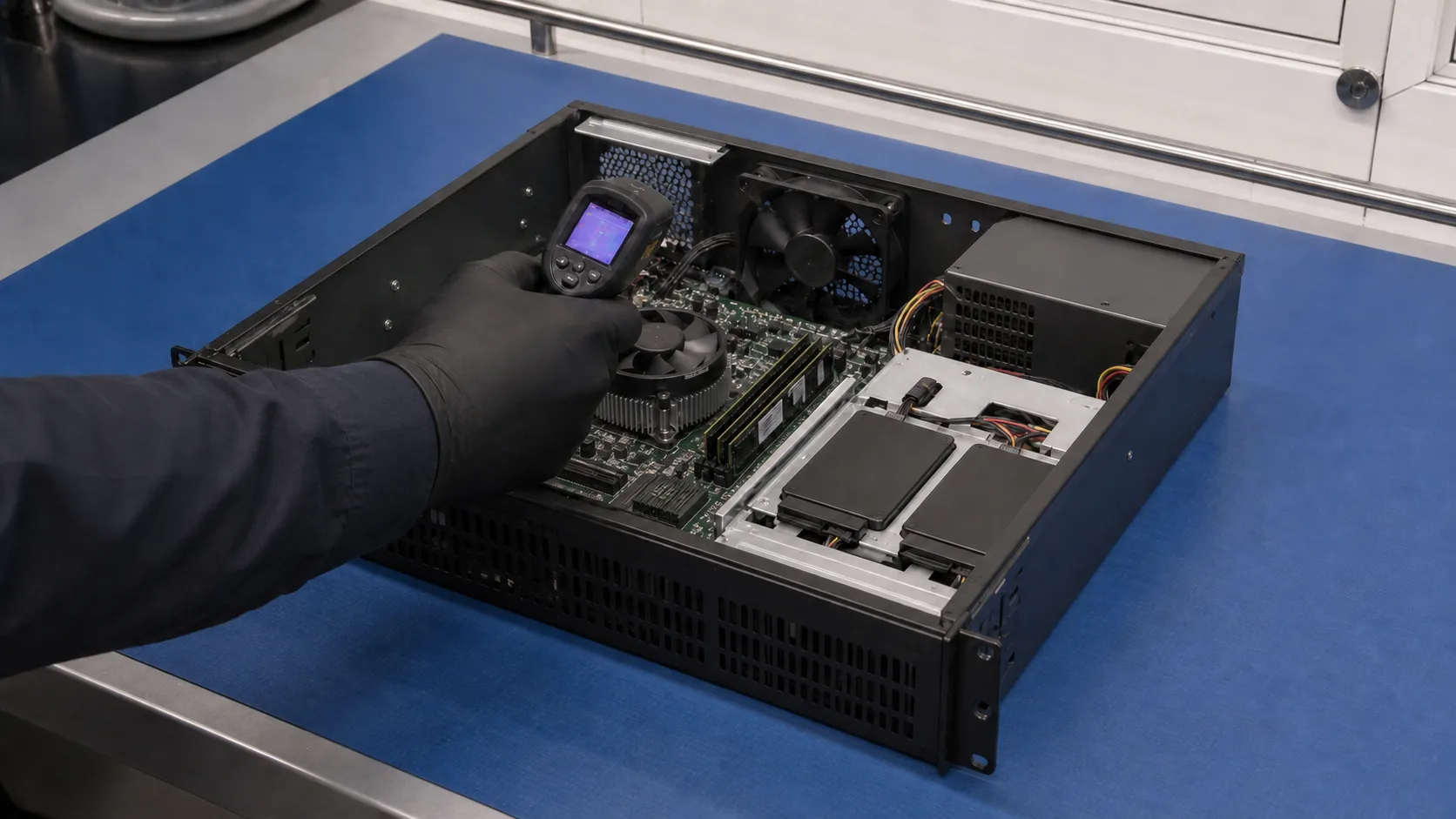
Onboard diagnosis
When a diagnostic visit is appropriate
A paid diagnostic visit is useful when the system is undocumented, the fault crosses several layers or the available evidence does not support a reliable repair proposal.
The visit can establish the relevant device list, dependencies, observed behaviour, fault hypothesis and priorities. This information becomes the basis for a defined remediation scope.
Working sequence
The process used for live onboard systems
Each stage produces evidence for the next decision. Scope can change when onboard facts change the diagnosis—but the reasoning stays visible.
- 01
Frame the symptom
What is unavailable, what changed, who is affected and what still works? The operational consequence defines the useful test.
- 02
Capture the before-state
Preserve configuration, topology, versions, logs and current behaviour before changing the live system.
- 03
Isolate the failed layer
Work through power, environment, network path, service dependency, controller and endpoint without relying on a single green light.
- 04
Agree the intervention
State the expected result, risk, safe working boundary, acceptance test and rollback before making the change.
- 05
Verify in operation
Test the service the way the crew uses it—not only the individual device or management interface.
- 06
Hand back a known-good state
Record what changed, what was tested, remaining limitations, recovery actions and escalation boundaries.
Electronic service documentation
Electronic documents for the completed scope
The handover is modular. Each job includes the system information, recovery guidance and records relevant to the work that was completed.
Crew serviceability does not mean unsafe specialist repair. It means identifying the affected layer, taking approved recovery actions, preserving evidence and escalating with useful information.
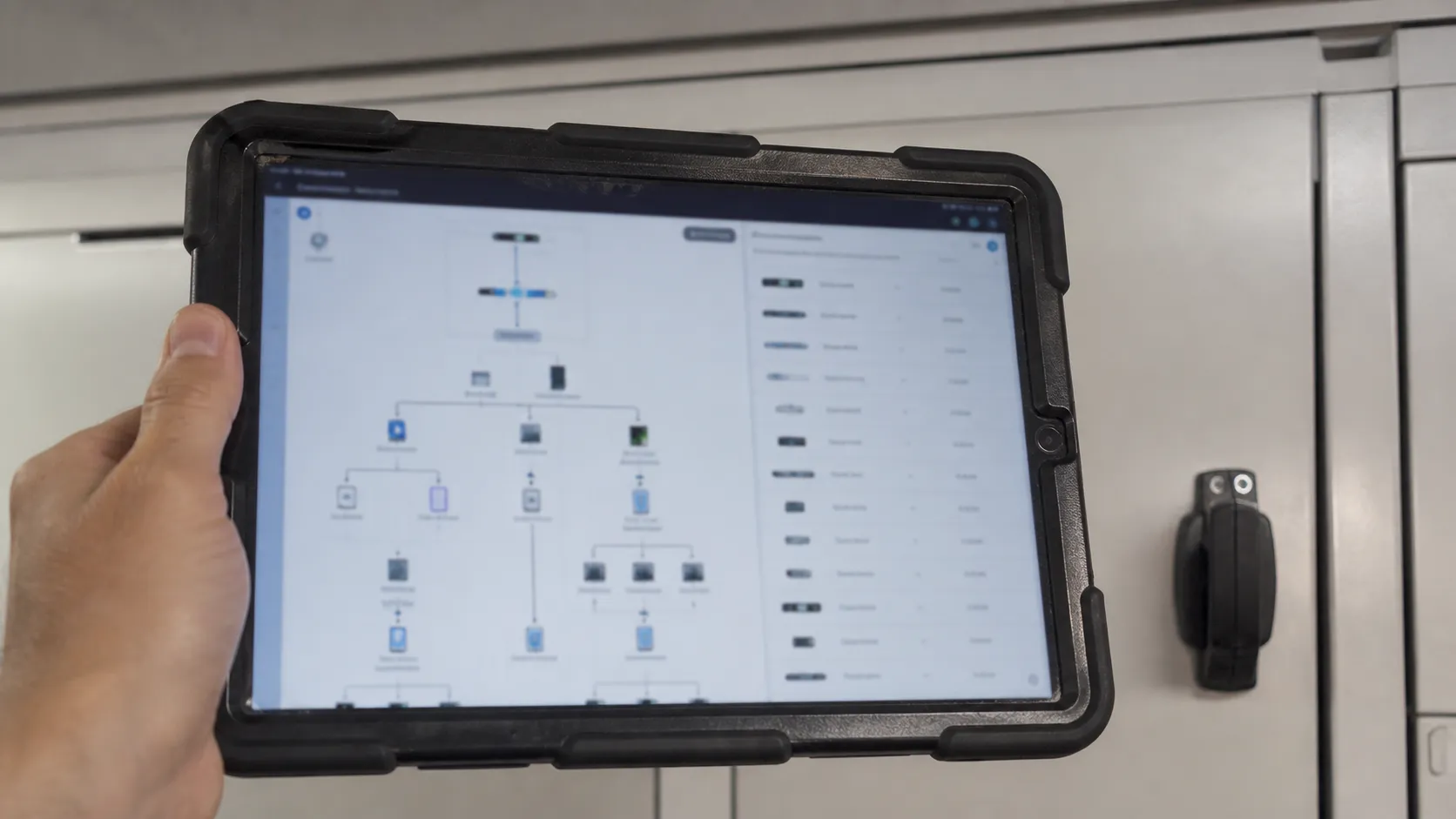
- System overview and as-built diagram 01
- Device and service inventory 02
- Dependency and impact map 03
- Symptom-first fault-isolation sheet 04
- Approved recovery instructions 05
- Do-not-touch and escalation boundaries 06
- Configuration backup register 07
- Known limitations and temporary workarounds 08
- Relevant spares and replacement notes 09
- Change and acceptance record 10